

Published:
Updated On:
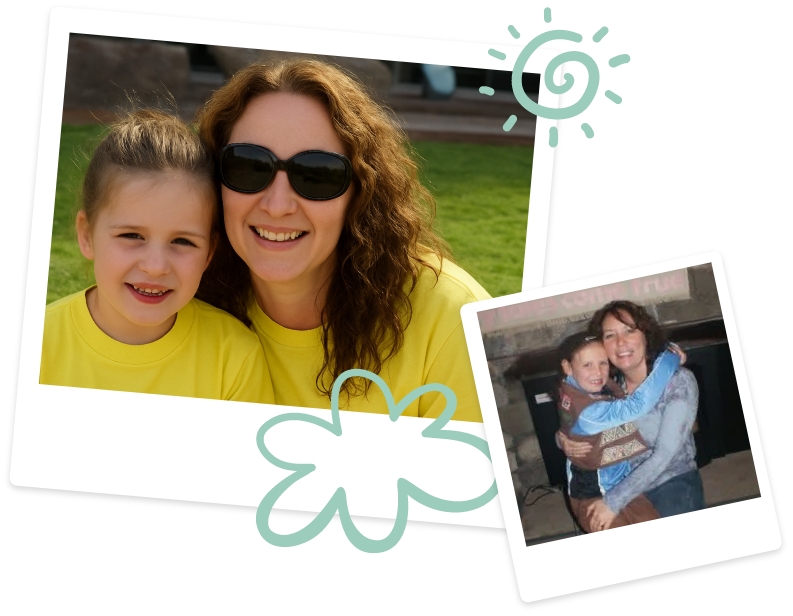
My daughter, Danielle, was diagnosed with learning challenges that affected both her memory and processing. By fourth grade, she was reading a few years below grade level. Like many parents, I was trying to balance two things at once: finding the right tools to support her academically while also protecting her confidence. I didn’t want her to feel “different” any more than she already did.
We had already started using audiobooks to support her reading. Audio helped her access stories, build vocabulary, and develop comprehension, but when it came to reading print on the page, she still struggled. Tracking lines, decoding words, and maintaining fluency were all uphill battles.
That’s when I discovered large print.
Larger text and more space between letters and words may seem like a simple change, but for Danielle, it was transformative. Suddenly, the words didn’t feel so crowded. Her eyes weren’t jumping or losing place as often so she could track with ease, and the decoding challenges that once slowed her down began to subside. Reading became less frustrating and more approachable.
When we paired large print with audio, something even more powerful happened.
Her fluency improved, her comprehension deepened, and perhaps most importantly, her confidence began to grow. These newly acquired skills didn’t just make her a stronger reader; Danielle truly began to see herself as one.
At the time, I didn’t yet realize how closely her experience aligned with what educators are now seeing at scale. Recent findings from Project Tomorrow’s 2024 study show that when students use large print, they are better able to stay focused, engage with text for longer periods, and feel more confident in their reading experience.

Why Large Print Works
Danielle’s experience is deeply personal—but it’s not uncommon.
Insights from Project Tomorrow’s 2024 efficacy study reinforce what many educators and families are observing: format plays a meaningful role in how students experience reading.
According to the study, large print supports students by:
· Making text easier to navigate and track visually
· Helping students stay focused and engaged while reading
· Supporting stronger comprehension by reducing strain
· Increasing reading confidence and participation
Educators in the study also reported that students were more willing to read independently and were able to sustain reading for longer periods of time when using large print materials
In fact, Thorndike Press recently received a CASE (Council of Administrators of Special Education) endorsement,recognizing the impact of Large Print in supporting diverse learners, including those with IEPs and other reading challenges.
For students who struggle with tracking, processing, or maintaining focus, these changes can make a significant difference. Large print doesn’t change the content—it changes how accessible that content feels, helping remove barriers that standard print can unintentionally create.
The Power of Audio + Print Together
There’s also a growing body of research supporting the use of audio alongside print.
Audio provides a model of fluent reading, helping students hear pacing, expression, and pronunciation. When paired with text, it reinforces word recognition and strengthens comprehension pathways. This dual-modality approach is especially effective for students with learning differences, as it allows them to access content while simultaneously building reading skills.
For Danielle, audio gave her access, large print gave her independence.
Together, they created a bridge.
Wonderbook: Bringing It All Together
Wonderbook combines audio and print into a single, seamless experience, allowing readers to listen and read along. It removes the need for multiple devices or formats and makes supported reading intuitive and accessible.
Now, imagine pairing that powerful format with large print.
Large Print Wonderbooks take everything that makes Wonderbook effective and elevate it even further for striving readers. The larger text reduces visual strain and improves tracking, while the built-in audio supports fluency and comprehension.
The result is a reading experience that is accessible, enjoyable, and encourages a love of books,
When reading feels good, students are more likely to stick with it. They build stamina, they take risks, and most importantly they begin to see themselves as capable readers.

More Than Skills—It’s About Confidence
Looking back, the biggest change I saw in Danielle went beyond her reading level, it was in her mindset. I watched her change from avoiding books to actively choosing them and saw her frustrations disappear to reveal a new found confidence.
And that’s what tools like Large Print Wonderbooks can do. They don’t just improve reading skills, they help unlock a reader’s belief in themselves.
For educators, librarians, and parents, that’s the real goal.
Because when a child believes they can read, everything else follows.
Today, in my role at Playaway, I continue to focus on literacy and accessibility, because I’ve seen firsthand, both as a parent and over decades focused on literacy and accessibility, how the right format can change a reader’s trajectory.
Explore the Research
Want to learn more about how large print supports student literacy?
View the full findings and key highlights:

