Published:
Updated On:
Building the Foundation: Phonics in Action
Phonics instruction teaches students how letters and sounds work together. But learning these patterns isn’t enough. Students need opportunities to apply them in real reading situations.
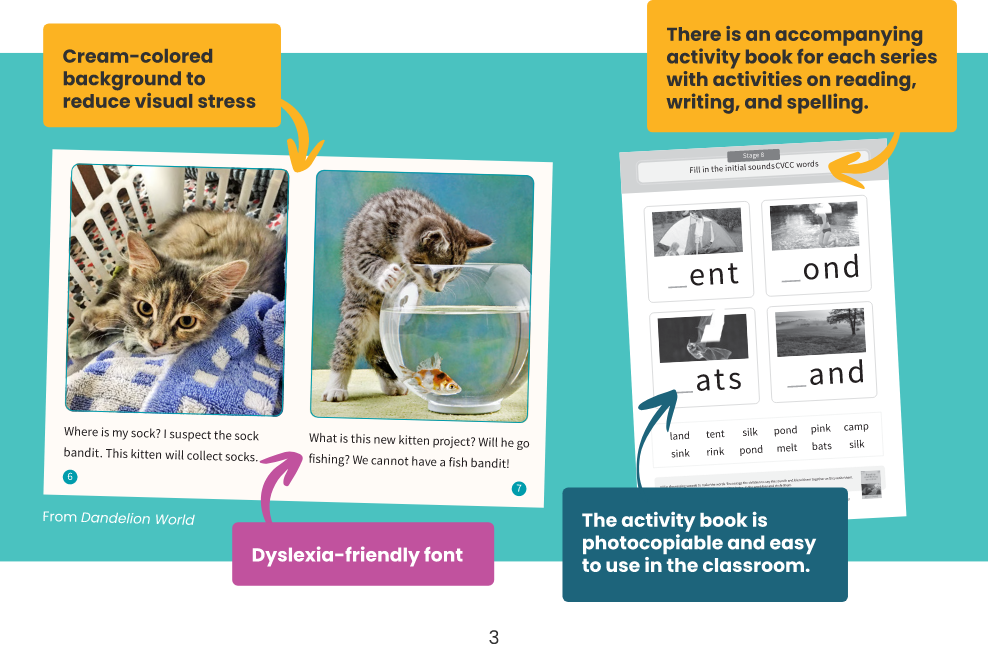
Decodable texts are designed specifically for this purpose. These texts align with taught phonics patterns, allowing students to practice skills in context rather than relying on guessing.
This approach supports key early literacy outcomes:
- Accurate decoding
- Stronger word recognition
- Improved reading fluency
- Increased confidence
For more on how this aligns with research, many educators turn to structured literacy approaches.
Why Decodable Texts Matter for Emerging Readers
Early readers are still developing automaticity. When texts are too complex, students may struggle or develop inefficient habits like skipping or guessing words.
Decodable texts provide controlled, purposeful practice. Students encounter familiar patterns repeatedly, helping the brain build efficient pathways for recognizing words.
Over time, this leads to:
- Faster, more automatic reading
- Reduced cognitive load
- Greater focus on comprehension
Research on the effectiveness of decodable texts consistently shows that this type of practice supports both accuracy and long-term reading growth.
The Power of Pairing Audio with Print
One of the most impactful ways to support early readers is by combining visual and auditory input.
When students listen to fluent reading while following along in print, they benefit from:
- Hearing accurate pronunciation and phrasing
- Seeing how spoken language maps to text
- Developing fluency and expression
- Strengthening comprehension
This kind of supported reading experience aligns with findings from multimodal learning research, which shows that combining modalities can deepen understanding and retention.
For many students, especially those still building decoding skills, this dual input provides both guidance and reassurance.
Supporting Multimodal Learners
Not all students learn in the same way. Some rely heavily on visual cues, while others benefit from auditory reinforcement.
Multimodal learning, engaging multiple pathways at once, can be especially effective for:
- Emerging readers
- Students who need additional language support
- Readers who benefit from repeated exposure to fluent models
By hearing language while interacting with text, students strengthen vocabulary, processing skills, and overall reading fluency.
Where Wonderbooks Fit In
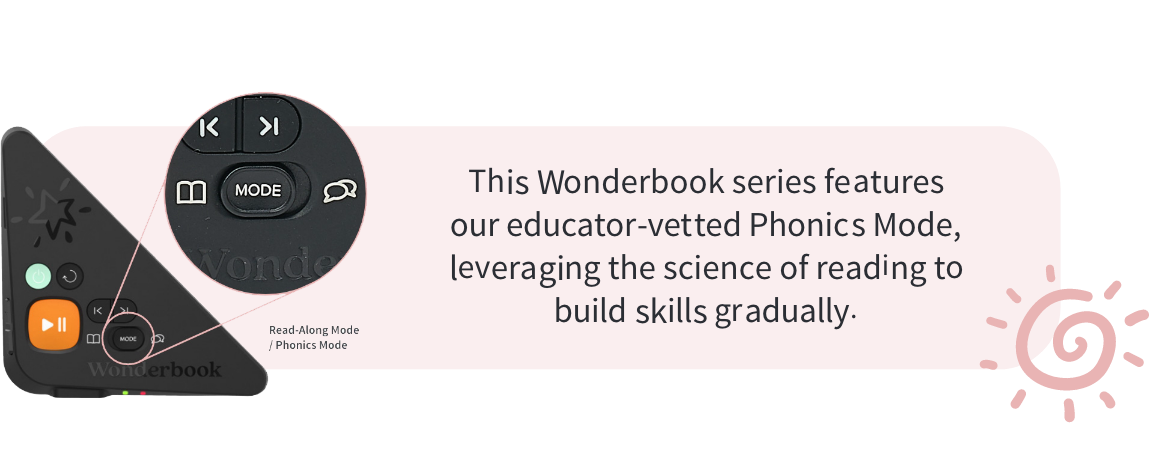
Wonderbooks offer a unique advantage by seamlessly integrating audio and print into a single reading experience. When paired with thoughtfully designed phonics programs, this format becomes even more powerful.
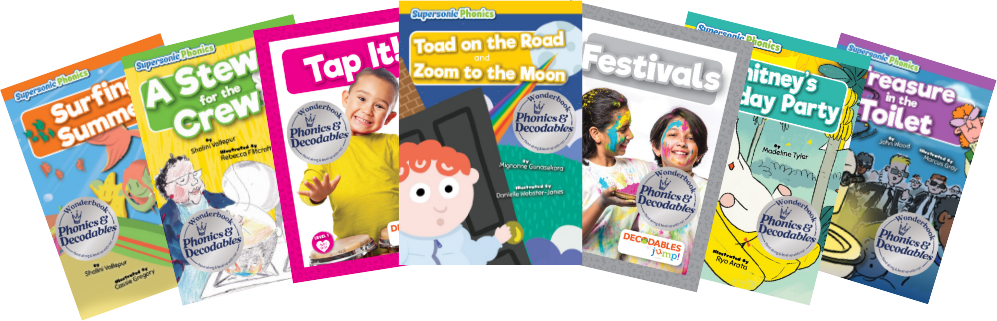
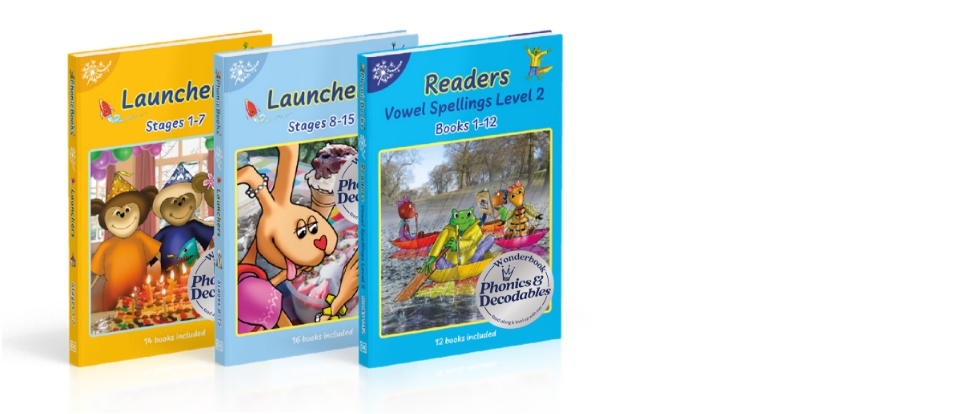
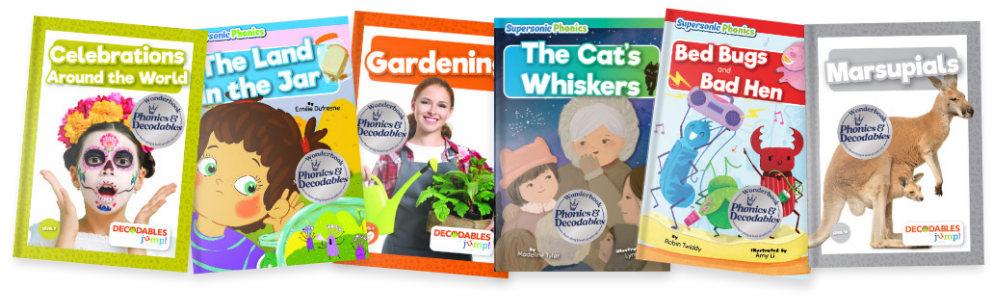
For example, phonics-aligned series like Supersonic Phonics and Decodables by Jump! are designed to provide systematic, skill-based practice that aligns closely with how students learn to read. When these types of decodable texts are available in the Wonderbook format, students can both practice targeted phonics patterns and hear those patterns modeled through fluent reading.
This format allows students to:
- Read independently while accessing audio support
- Practice decoding with built-in scaffolding
- Revisit texts for repeated exposure
- Stay engaged through interactive reading
Unlike traditional read-alouds, Wonderbooks place control in the hands of the reader, supporting independence while still providing guidance.
For educators and librarians exploring audio-supported reading strategies, this format offers a practical, student-centered solution.

Practical Ways to Use Wonderbooks
For libraries and classrooms, Wonderbooks can be a powerful tool to extend instruction and support structured literacy practices.
When Wonderbooks include phonics-based collections such as Supersonic Phonics and Decodables by Jump!, they can more directly reinforce classroom instruction. These resources are especially effective when students are working on specific phonics patterns and need additional, aligned reading practice.